Reliable Technology Brands
We highlight electronics manufacturers known for quality, innovation, and long-term reliability so you can confidently choose devices that meet your needs.
Honest Insights and Real User Experiences
Our platform focuses on real-world performance and practical feedback from users who rely on technology for work, gaming, and everyday tasks.
Technology for Work, Gaming, and Creativity
From high-performance computers to portable devices and storage solutions, we cover technology designed to support productivity, entertainment, and creative projects.
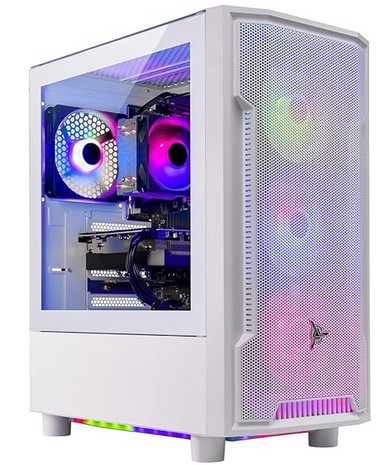
Skytech Gaming PC

NIMO Laptop

LaCie External Hard Drive
The Ultimate Guide to Electronics Brands: Your Complete Resource for Every Device, Every Category, Every Budget
Whether you’re hunting for the latest flagship smartphone, upgrading your home theater system, or outfitting a professional workspace with cutting-edge gear, knowing electronics brands inside and out is the single most powerful advantage a buyer can have. Welcome to Brands Electronics — the most comprehensive catalog and review hub dedicated entirely to the world’s top, emerging, and niche electronics brands. Our mission is simple: help you understand who makes what, what it’s worth, and whether it deserves a place in your life.
This guide covers everything you need to know about the electronics brands that define our connected world — from the Silicon Valley giants shipping billions of devices a year to the boutique audio houses hand-crafting equipment for audiophiles. Bookmark this page. You’re going to come back to it.
What Are Electronics Brands — And Why Do They Matter So Much?
In the broadest sense, electronics brands are the companies and labels responsible for designing, manufacturing, and marketing electronic devices and components. But in practice, a brand is far more than a logo stamped on a product box. It’s a promise — a shorthand for quality expectations, customer service standards, ecosystem compatibility, pricing philosophy, and technological vision.
When you choose Apple over Android, Sony over LG, or Bose over Sonos, you’re not just picking a device. You’re buying into an entire ecosystem, a design language, a community, and a set of values the brand has spent years — sometimes decades — cultivating.
Electronics brands matter for several concrete reasons:
Reliability signals. Brands with long track records have demonstrated the ability to produce durable, well-engineered products. A name like Panasonic or Toshiba carries decades of quality data behind it.
Ecosystem lock-in and compatibility. Many electronics brands build tightly integrated ecosystems. Apple’s iPhone works seamlessly with Mac, iPad, Apple Watch, and AirPods. Samsung’s SmartThings connects its TVs, appliances, and smart home devices. Choosing a brand often means committing to an ecosystem.
After-sale support. Premium electronics brands invest in customer support, warranty programs, and repair networks. Budget brands may cut corners here, making post-purchase experience vastly different.
Resale value. Devices from top electronics brands — Apple and Sony chief among them — retain resale value far better than generic or off-brand alternatives.
Innovation trajectory. Following electronics brands helps you anticipate where technology is heading. Companies like NVIDIA, Qualcomm, and Samsung Semiconductor shape the chips that power tomorrow’s devices before consumers ever see the final products.
The Electronics Brand Landscape: A Macro Overview
The global consumer electronics market is valued at well over $1 trillion and includes thousands of active electronics brands across dozens of product categories. To make sense of the landscape, it helps to think in tiers.
Tier 1: Global Consumer Electronics Giants
These are the household names — the electronics brands with billion-dollar marketing budgets, global retail footprints, and product lines spanning multiple categories. Names like:
- Apple — smartphones, computers, tablets, wearables, services
- Samsung — TVs, smartphones, appliances, memory chips, displays
- Sony — gaming, audio, cameras, televisions, entertainment
- LG — OLED televisions, home appliances, displays, monitors
- Panasonic — cameras, home appliances, automotive electronics, batteries
- Philips — health technology, lighting, consumer electronics
These electronics brands are present in virtually every major product category and every global market. They compete fiercely with each other while also supplying components to one another — a fascinating feature of the electronics industry that makes brand allegiances more complicated than they seem.
Tier 2: Category-Dominant Specialists
Some of the most respected electronics brands don’t try to do everything — they do one thing better than anyone else. These category champions include:
- Bose — premium audio, noise-canceling headphones
- NVIDIA — graphics processing units, AI hardware
- Garmin — GPS navigation, fitness wearables, aviation electronics
- DJI — consumer and professional drones, camera stabilizers
- Logitech — computer peripherals, webcams, gaming accessories
- Arlo — home security cameras
- Flir — thermal imaging technology
- Wacom — pen tablets and creative input devices
These brands command disproportionate loyalty within their niches because they’ve relentlessly focused on mastering a specific set of customer needs. When you buy a Garmin GPS device, you’re not buying from a company distracted by washing machines or smartphones — you’re buying from a team obsessed with navigation.
Tier 3: Regional Electronics Brands with Global Ambitions
A growing number of electronics brands have built dominant positions in their home markets and are now competing internationally:
- Xiaomi (China) — smartphones, smart home devices, scooters
- OnePlus (China) — premium Android smartphones
- Realme (China) — value-tier smartphones and accessories
- TCL (China) — televisions, smartphones, air conditioners
- Hisense (China) — televisions, refrigerators, air conditioners
- ASUS (Taiwan) — laptops, motherboards, monitors, gaming hardware
- Acer (Taiwan) — laptops, monitors, projectors
- HTC (Taiwan) — VR headsets, formerly smartphones
These electronics brands have disrupted traditional market hierarchies by offering premium specifications at aggressive price points, forcing established players to rethink their value propositions.
Tier 4: Boutique and Audiophile Electronics Brands
At the pinnacle of specialized craftsmanship sit the boutique electronics brands — companies whose products are measured not in units shipped but in critical acclaim and collector devotion:
- Bang & Olufsen — ultra-luxury audio and visual equipment
- McIntosh — legendary American high-fidelity amplifiers
- Sennheiser — reference-grade headphones and microphones
- Audeze — planar magnetic headphones
- Chord Electronics — British DACs and amplifiers
- Leica — precision German cameras
- Hasselblad — medium-format photography systems
These electronics brands represent the intersection of technology and craftsmanship. Their products aren’t just devices; they’re objects with cultural and aesthetic significance.
Electronics Brands by Category: The Definitive Breakdown
Smartphone Electronics Brands
The smartphone market is dominated by a handful of electronics brands whose combined shipments number in the billions annually.
Apple redefined the smartphone category with the original iPhone in 2007 and has maintained its position as the most profitable smartphone brand in the world through relentless hardware and software integration, a thriving services ecosystem, and ironclad brand loyalty.
Samsung is the world’s largest smartphone manufacturer by volume, offering products across every price tier — from the flagship Galaxy S and Z series to the budget Galaxy A line. Samsung’s vertical integration, producing its own displays, memory, and processors, gives it a significant manufacturing advantage.
Google’s Pixel lineup represents the purest Android experience and showcases Google’s AI capabilities, including computational photography that rivals — and often exceeds — what’s achievable with traditional camera hardware.
OnePlus built its brand on a “flagship killer” philosophy, delivering near-premium performance at mid-range prices. More recently it has evolved into a more conventional premium player.
Xiaomi, OPPO, Vivo, and Honor collectively dominate the Chinese market and are aggressively expanding across Asia, Europe, and Latin America.

Laptop and PC Electronics Brands
The personal computing market features some of the most enduring electronics brands in the industry.
Apple MacBook — powered by Apple Silicon (M-series chips), MacBooks have become the benchmark for laptop performance-per-watt and battery life in the premium segment.
Dell — a stalwart of business computing, with the XPS consumer line and Latitude/Precision professional series representing some of the most dependable portable workstations available.
HP (Hewlett-Packard) — one of the original computing brands, with a diverse lineup from consumer Envy and Spectre laptops to enterprise EliteBook systems.
Lenovo — the world’s largest PC manufacturer by shipments, with ThinkPad (beloved by enterprise users), IdeaPad (consumer), and Legion (gaming) covering the full spectrum.
ASUS — particularly strong in gaming (ROG, TUF) and creator (ProArt, Zenbook) segments, with some of the most innovative form factors in the industry.
Microsoft Surface — Microsoft’s own hardware line demonstrates Windows capabilities and targets premium productivity users, creatives, and enterprise buyers.
Razer — the go-to gaming laptop brand for enthusiasts who prioritize both performance and aesthetics.
Among modern gaming desktop manufacturers, Skytech has become well known for building high-performance systems designed for serious gamers. A dedicated guide to the Skytech Gaming PC lineup explains what makes these computers popular, including powerful GPUs, fast processors, and optimized cooling solutions. If you are looking for a ready-to-play gaming desktop capable of running modern titles at high settings, exploring the Skytech gaming PC models can help you understand why the brand has gained strong recognition among PC gamers.
The modern technology market offers a wide range of devices designed to improve productivity, entertainment, and everyday computing. On the Electronics Brands website, readers can explore a curated selection of well-known and emerging technology manufacturers, including laptop brands that focus on delivering powerful hardware at competitive prices. The platform highlights companies that develop devices for students, professionals, and gamers, helping users understand which products deliver the best balance of performance, portability, and value.
One of the brands gaining attention among budget-friendly computing solutions is NIMO. The company offers several laptop models designed for everyday productivity, education, and light gaming. Many NIMO laptops feature Full HD displays, AMD Ryzen processors, fast SSD storage, and modern connectivity options such as USB-C charging and wireless networking. These systems are built to support multitasking workloads like web browsing, document editing, programming, and streaming media.
To learn more about the features, specifications, and advantages of these devices, visit the detailed guide about the Electronics Brands ecosystem and discover how modern laptop manufacturers are shaping the next generation of affordable computing solutions.
When it comes to dependable external storage, the LaCie External Hard Drive stands out for its combination of rugged durability, high-speed performance, and large storage capacities. Perfect for on-the-go professionals, the LaCie drives deliver fast data transfers, drop and water resistance, and easy compatibility with both modern and legacy devices. Whether you’re editing 4K video, managing photography projects, or backing up critical work files, a LaCie External Hard Drive is the ultimate solution to protect and organize your digital life.
Television Electronics Brands
The TV market is one of the most competitive arenas in consumer electronics, with brands competing across picture quality, smart platform capability, design, and price.
LG leads the premium OLED TV market. Its OLED technology, which uses self-emitting pixels that can achieve true black levels, represents the current pinnacle of consumer display technology.
Samsung counters with QLED and its proprietary MicroLED and Neo QLED technologies, combining quantum dot color science with mini-LED backlighting for dazzling brightness.
Sony occupies the premium tier with its Bravia XR cognitive processor and a focus on natural image processing that many professional colorists and videophiles prefer.
TCL and Hisense have dramatically disrupted the market by bringing QLED and even mini-LED technology to mid-range price points, putting pressure on premium brands to justify their pricing premiums.
Vizio remains a dominant value brand in the American market, popular for its performance-to-price ratio and solid smart TV platform.
Audio Electronics Brands
Audio is perhaps the category with the greatest diversity of electronics brands, because the pursuit of perfect sound is deeply personal and endlessly debated.
Sony dominates the wireless headphone category with its WH-1000XM series, widely regarded as the standard against which all noise-canceling headphones are measured.
Bose pioneered consumer noise-canceling headphones and continues to offer some of the most refined wireless audio products available.
Apple AirPods have become the most commercially successful earbuds ever made, proving that seamless ecosystem integration can trump raw audio specifications in mass-market adoption.
Sennheiser, Beyerdynamic, and Audio-Technica serve audiophiles who demand accurate, reference-quality sound reproduction over lifestyle appeal.
JBL, Marshall, and Ultimate Ears lead the portable Bluetooth speaker market, each with a distinct aesthetic identity.
Sonos has built one of the most successful whole-home audio ecosystems, with a multi-room speaker platform that remains a gold standard for ease of use.
For the high-fidelity enthusiast, brands like Focal, Audeze, HiFiMAN, Chord, and Naim Audio represent the serious end of the spectrum — products that reveal the full potential of lossless audio recordings.
Gaming Electronics Brands
Gaming has become one of the most important categories in consumer electronics, with dedicated brands serving console, PC, and peripheral segments.
Sony PlayStation and Microsoft Xbox dominate the gaming console market, each offering powerful home consoles and portable/cloud gaming options.
Nintendo occupies a unique position — its hybrid Switch platform and beloved first-party IP make it the most creatively distinct of the three major console electronics brands.
On the PC gaming side, NVIDIA and AMD supply the GPUs that power modern gaming rigs, while Intel and AMD compete for CPU supremacy.
Razer, SteelSeries, Corsair, Logitech G, and HyperX compete in the gaming peripheral space — keyboards, mice, headsets, and controllers engineered specifically for competitive play.
Camera and Photography Electronics Brands
Photography is a category where heritage, optical engineering, and sensor technology intersect in fascinating ways.
Sony has emerged as the leader in mirrorless camera systems, with its Alpha series prized by professionals and serious enthusiasts for class-leading autofocus and sensor performance.
Canon and Nikon — the traditional giants of the camera world — have made strong transitions into mirrorless with their R and Z systems respectively, leveraging decades of optical expertise.
Fujifilm has built an intensely loyal following with its distinctive film simulation modes and retro aesthetics, offering one of the most satisfying photographic experiences in the industry.
Leica remains the prestige brand of camera electronics — its M-series rangefinders are objects of desire with price tags to match.
DJI, primarily known for drones, has also become a major player in compact cameras and camera stabilizers, with the DJI Osmo series beloved by content creators.
Smart Home and IoT Electronics Brands
The smart home category has produced a rich ecosystem of electronics brands competing to be the central intelligence of the connected home.
Amazon (Echo/Alexa), Google (Nest/Google Assistant), and Apple (HomeKit) provide the major smart home platforms around which third-party devices are built.
Ring (owned by Amazon) and Arlo lead the smart security camera and doorbell market.
Nest (now Google Nest) offers thermostats, smoke detectors, and cameras that are among the most design-forward smart home products available.
Philips Hue has become the default choice for smart lighting, offering an enormous ecosystem of bulbs, fixtures, and accessories.
TP-Link (Kasa and Tapo brands), Wyze, and Eufy offer compelling value-tier smart home electronics.
How to Evaluate Electronics Brands: A Buyer’s Framework
With so many electronics brands competing for attention, having a systematic approach to evaluation is invaluable. Here’s the framework we use at Brands Electronics:
1. Build Quality and Materials
Premium electronics brands consistently use higher-grade materials — aluminum and titanium instead of polycarbonate, Gorilla Glass instead of unbranded tempered glass, precision-machined components instead of injection-molded plastic. Physical quality is often the most immediate signal of where a brand sits in the market hierarchy.
2. Software and Ecosystem Maturity
Hardware is only half the product. The software experience — operating system, companion apps, firmware update frequency, and ecosystem integration — determines daily usability. Electronics brands with robust software teams (Apple, Google, Samsung) deliver products that improve meaningfully over their lifespans.
3. After-Sale Support and Warranty
How does a brand treat customers after the sale? Tier-1 electronics brands maintain authorized service networks, offer extended warranty programs, and provide responsive customer support. Research a brand’s repair policies before purchasing expensive electronics.
4. Component Quality and Manufacturing Provenance
Not all electronics brands manufacture their own components. Understanding supply chains reveals quality nuances. Sony and Samsung manufacture their own flagship sensors and displays, giving them unique control over their products’ core experiences. Other brands source components from these same manufacturers.
5. Track Record and Longevity
A brand that has been producing quality electronics for 20+ years has demonstrated something a two-year-old startup cannot: the ability to sustain quality, manage supply chains through disruption, and iterate on products over multiple generations.
6. User Community and Independent Reviews
Active user communities (Reddit, forums, YouTube channels) produce honest, long-term assessments of electronics brands that no official review can match. Brands with passionate user communities — Fujifilm, ThinkPad, Bang & Olufsen — are usually delivering genuine value.
Electronics Brands: Frequently Asked Questions
Which electronics brands are the most reliable?
Based on consistent quality, warranty support, and long-term customer satisfaction data, the most reliable electronics brands include Apple, Sony, Panasonic, Bose, and Logitech. In the TV segment, LG and Samsung consistently score highest for reliability across major consumer surveys.
What electronics brands offer the best value for money?
For exceptional value, look at Xiaomi, ASUS, TCL, Anker, and Hisense. These electronics brands have closed the quality gap with premium competitors while maintaining aggressive pricing. Anker in particular has built an impressive reputation in charging accessories and power banks that frequently outperform far more expensive alternatives.
Are lesser-known electronics brands worth considering?
Absolutely. The barriers to hardware development have fallen significantly, and numerous smaller electronics brands produce outstanding products. Brands like Anker, Wyze, EarFun, Jabra, and Focusrite have earned genuine respect despite limited marketing budgets. Our catalog helps you discover these hidden gems.
How do I know if an electronics brand is trustworthy?
Key trust indicators include: years in operation, presence of authorized service centers, transparent warranty policies, active customer support channels, and a volume of independent reviews from credible sources. Avoid electronics brands with exclusively five-star reviews concentrated in short time periods — a classic sign of review manipulation.
Why do some electronics brands cost so much more than others?
Several factors drive price premiums in electronics brands: R&D investment (especially in proprietary chips or sensors), manufacturing precision, material costs, brand equity, after-sale support infrastructure, and ecosystem development costs. Apple, for example, invests billions annually in chip design — costs that are amortized across its product line but contribute to premium pricing.
How often should I upgrade electronics from major brands?
This depends heavily on category. Smartphones typically offer meaningful improvements every two to three years. Laptops and desktops every four to six years. TVs and audio equipment even less frequently — a quality television from a premium electronics brand can deliver excellent service for a decade or more.
The History of Electronics Brands: From Radio Pioneers to Silicon Valley
The story of electronics brands is inseparable from the story of the 20th and 21st centuries. It begins with radio companies — RCA, Marconi, Zenith — and runs through the semiconductor revolution, the consumer electronics explosion of the postwar era, the personal computing revolution, and the mobile internet age.
General Electric, Westinghouse, and RCA were the original American consumer electronics giants, selling radios, televisions, and household appliances to a rapidly electrifying public.
The postwar era brought Japanese electronics brands to global prominence. Sony was founded in 1946 and introduced the world to the transistor radio, the Walkman, the Trinitron TV, and eventually the PlayStation. Panasonic (originally National), Sharp, Toshiba, Hitachi, and Pioneer built Japan’s reputation as the world capital of consumer electronics innovation.
The personal computer revolution of the 1970s and 80s created an entirely new tier of electronics brands: Apple, IBM, Compaq, Intel, and later Microsoft. These companies didn’t just sell products — they created entirely new categories of human activity.
The 1990s and 2000s brought telecom electronics brands to the forefront: Nokia, Motorola, Ericsson, and eventually BlackBerry reshaped communication. Their rise — and fall — at the hands of smartphone technology remains one of the most dramatic stories in business history.
The past fifteen years have been defined by Chinese electronics brands — Huawei, Xiaomi, OPPO, Vivo, TCL, Hisense, and DJI — scaling from regional players to global competitors with unprecedented speed.
Today’s electronics brands operate in a world of breathtaking complexity. A single device may incorporate chips designed in America, displays manufactured in South Korea, batteries produced in China, software written in India, and assembled in Mexico or Vietnam. The brand on the box is a promise about how all those global inputs have been curated and integrated.
Electronics Brands and Sustainability: A Growing Imperative
Increasingly, the best electronics brands are being judged not just on product quality but on environmental and ethical commitments.
Apple has committed to carbon neutrality across its entire supply chain by 2030 and has made meaningful progress in using recycled materials, including recycled aluminum and rare earth elements, in its products.
Samsung has pledged to eliminate single-use plastics from its packaging and has launched programs to recycle old devices and components.
Fairphone has built its entire brand identity around ethical sourcing, modular repairability, and minimal environmental impact — a compelling alternative for the environmentally conscious consumer.
Framework has emerged as a significant challenger in the laptop space with its fully modular, user-repairable design philosophy — a direct rebuke to the disposable electronics culture that has defined the industry for decades.
Sustainability is fast becoming a meaningful differentiator among electronics brands. Our catalog tracks environmental commitments alongside product quality, helping you make purchases that align with your values.
Emerging Electronics Brands to Watch
The electronics industry never stops producing new entrants. Here are some emerging electronics brands that have caught our attention:
Nothing — founded by OnePlus co-founder Carl Pei, Nothing has built a distinctive aesthetic identity with transparent design elements. Its Phone lineup and ear buds have attracted significant attention from design-conscious consumers.
Framework — pioneering modular, repairable laptops that challenge the industry’s throw-away culture.
Teenage Engineering — Swedish electronics brand producing some of the most beautifully designed synthesizers and audio tools ever made.
Bambu Lab — rapidly disrupting the 3D printing market with fast, user-friendly machines that have earned comparisons to the early days of Apple’s consumer-friendly computing.
Rabbit — AI-native hardware devices that represent a new category of companion electronics.
Humane — developing wearable AI devices that challenge conventional screen-based computing paradigms.
These emerging electronics brands may define the next decade of consumer electronics in ways we’re only beginning to understand.
How Brands Electronics Covers the World of Electronics Brands
At Brands Electronics, we’ve built the most comprehensive resource for understanding, comparing, and choosing among the world’s electronics brands. Here’s what sets our platform apart:
Deep Brand Profiles. Every major electronics brand in our catalog receives a dedicated profile covering its history, product lineup, core strengths and weaknesses, ecosystem compatibility, customer support reputation, sustainability commitments, and market positioning.
Category-by-Category Comparisons. We break down every major product category and map which electronics brands dominate, which offer the best value, and which serve specific niches exceptionally well.
Honest, Independent Analysis. We don’t sell advertising to electronics brands. Our assessments are driven by research, testing data, user feedback, and independent expert opinions — not by who’s paying for placement.
Up-to-Date News and Launches. The electronics brands landscape shifts constantly. New models launch, companies pivot, mergers reshape competitive dynamics. We track it all in real time.
Buying Guides Organized by Brand and Category. Whether you know exactly which brand you’re interested in or you’re starting from scratch, our guides meet you where you are and help you navigate toward the right purchase decision.
User Reviews and Community Insights. Our platform aggregates authentic user feedback across electronics brands, giving you the long-term ownership perspective that no launch-day review can provide.
Start Exploring Electronics Brands Today
The world of electronics brands is vast, dynamic, and genuinely fascinating. From the smartphone in your pocket to the satellite navigation system in your car, from the earbuds on your desk to the smart thermostat on your wall, electronics brands shape the texture of modern life in ways both visible and invisible.
Whether you’re a casual buyer looking for confidence before a major purchase, a tech enthusiast who follows the industry obsessively, or a professional who needs to understand the landscape for procurement or content creation, Brands Electronics is the resource you’ve been looking for.
Explore our full catalog of electronics brands. Read our in-depth brand profiles. Use our comparison tools. Join the community of millions of people who make smarter electronics decisions by understanding the brands behind the products.
Your next great electronics purchase starts here.
Brands Electronics — The Complete Catalog and Review Hub for Electronics Brands Worldwide. Covering smartphones, laptops, televisions, audio equipment, gaming hardware, cameras, smart home devices, and every other category where electronics brands compete for your attention and your trust.
Electronics Brand Catalog
🖥️ Gaming PCs & Mini PCs
ACEMAGIC · ACEMAGICIAN · be quiet! · BOSGAME · Cooler Master · ELEPHAS · Fractal Design · GEEKOM · Noctua · PowerColor · Raspberry Pi · Skytech Gaming PC · STEAMEMO · Thermalright · Thermaltake · XFX · ZOTAC
💻 Laptops & Tablets
BOOX · CMF BY NOTHING · KLIM · Kobo · NIMO · PicassoTab · pxton · Simbans
🖥️ Monitors & Portable Displays
Arzopa · FEELWORLD · FoMaKo · KOORUI · Magcubic · ONOAYO · UPERFECT
📺 TVs, Projectors & Screens
Antennas Direct · AWOL VISION · Elite Screens · Frame My TV · JVC · KEF · Nebula · RCA · SiliconDust · Solid Signal · Tablo TV
🎵 Audio, Speakers & Headphones
1mii · AudioQuest · Audioengine · Avantree · Bang & Olufsen · BAOFENG · BlueParrott · Bowers & Wilkins · Cyber Acoustics · EARTEC · EarFun · Fluance · Fosi Audio · Furman · iClever · Kanto · Kenwood · Kicker · LENRUE · Maxell · Onkyo · Ozlo · Retekess · seenda · Taramp’s · Technics · Ultimate Ears · Victrola · W-KING
📷 Cameras, Photo & Video
Aputure · Astromania · CAMKORY · comica · GVM Great Video Maker · Haoge · HIDB · IFOOTAGE · Lowrance · Manfrotto · Meike · Movo · NexiGo · NiSi · OBSBOT · Owl Labs · ProGrade Digital · Sirui · SVBONY · Topaz Systems · ULANZI · VANTRUE · WIMBERLEY · xmartO
🔭 Optics & Astronomy
🌐 Networking & Internet
ARRIS · CCCEI · D-Link · Defender · HID · ieGeek · J-Tech Digital · LINOVISION · Linksys · MENGQI-CONTROL · MikroTik · MNN · NETALLY · Portta · Seco-Larm · WAVLINK · WC · ZyXEL
💾 Storage & Memory
1byone · ADATA · ANYHDD · Apricorn · FANXIANG · iDiskk · iiwey · iStorage · LaCie · Ledger · MaxONE · mifaso · MOVE SPEED · ORICO · runelk · ThePhotoStick · Transcend · UPC UPGRADE PARTS COMPANY
🔌 Cables, Hubs & Adapters
AGPTEK · AINOPE · BENFEI · CalDigit · ELECOM · Gresur · ivanky · Jgstkcity · Kable Kontrol · Kado · KEFEYA · Levn · NEWHEY · Selore&S-Global · Silkland · Smartbuy · Syntech · Volher · Warrky
🖱️ PC Peripherals & Mounts
ECHOGEAR · Ergotron · Hamile · iBirdie · Jemluse · KMOUANTS · Logitech for Creators · MOUNTUP · Nulaxy · RAM MOUNTS · Sanus · SUPERDANNY · VOPLLS
📱 Phone & Tablet Accessories
Aiolo Innovation · BANGE · BolaButty · cuero · ESOXOFFORE · Fancy Buying · FYY · HAOYUYAN · Harvopu · Hibezos · KASE · Kittyhok · KROSER · Oemgenuine · Paintechz · PlayBetter · RAINSMORE · Sandbaggy · Scosche · SHRRADOO · SPARIN · Swissdigital · ThePhotoStick · TiMOVO · Twelve South · Wearable4U · YEAOI · YOTUO · ZUGU CASE
⌚ Wearables, GPS & AR Glasses
70mai · Blue Tees Golf · Coros · Life360 · RAYNEO · Rokid · VITURE
🚗 Car & RV Electronics
⚡ Power & UPS
Eaton · Liebert · MonTek · Thermal Grizzly
🛠️ Tools & Repair
iFixit · JFJ Easy Pro · KDD · Prestige
🔧 Other Brands
ClearClick · KEXIN · Nothing · Quntis
What type of electronics brands are featured on this site?
We focus on well-known and emerging brands that produce computers, laptops, storage devices, and other modern technology used for work, gaming, and everyday digital life.
Are the products reviewed based on real user experience?
Yes. Many insights on our site are inspired by real user experiences and practical feedback from people who use these devices daily.
Who is this website for?
Brands Electronics is useful for gamers, students, professionals, and anyone looking for reliable technology devices or trusted electronics brands.
Do you review both budget and premium devices?
Absolutely. We explore technology across different price ranges to help users find devices that match both their needs and their budget.
Customer Reviews
I recently picked up a gaming PC and I’m really impressed with how smooth everything runs. Setup was pretty straightforward and the system boots up incredibly fast. Games like League of Legends run flawlessly, and when paired with a 144Hz monitor the gameplay feels extremely smooth. For the price, it’s a great investment, especially considering the PC comes fully assembled.
I bought a laptop recently and I’m honestly very happy with it. It has 32GB of DDR5 RAM and a 1TB SSD, so everything runs smoothly even when I’m multitasking with several apps open. Setup was quick, the fingerprint reader works well, and the backlit keyboard is a nice touch. The speakers sound decent and overall it feels like a solid device for productivity.
When I need extra storage, external hard drives are always my go-to solution. They’re easy to stack, travel well, and work straight out of the box. I often use them to store raw video footage and finished projects. They’re reliable and durable, which is important since I travel frequently.